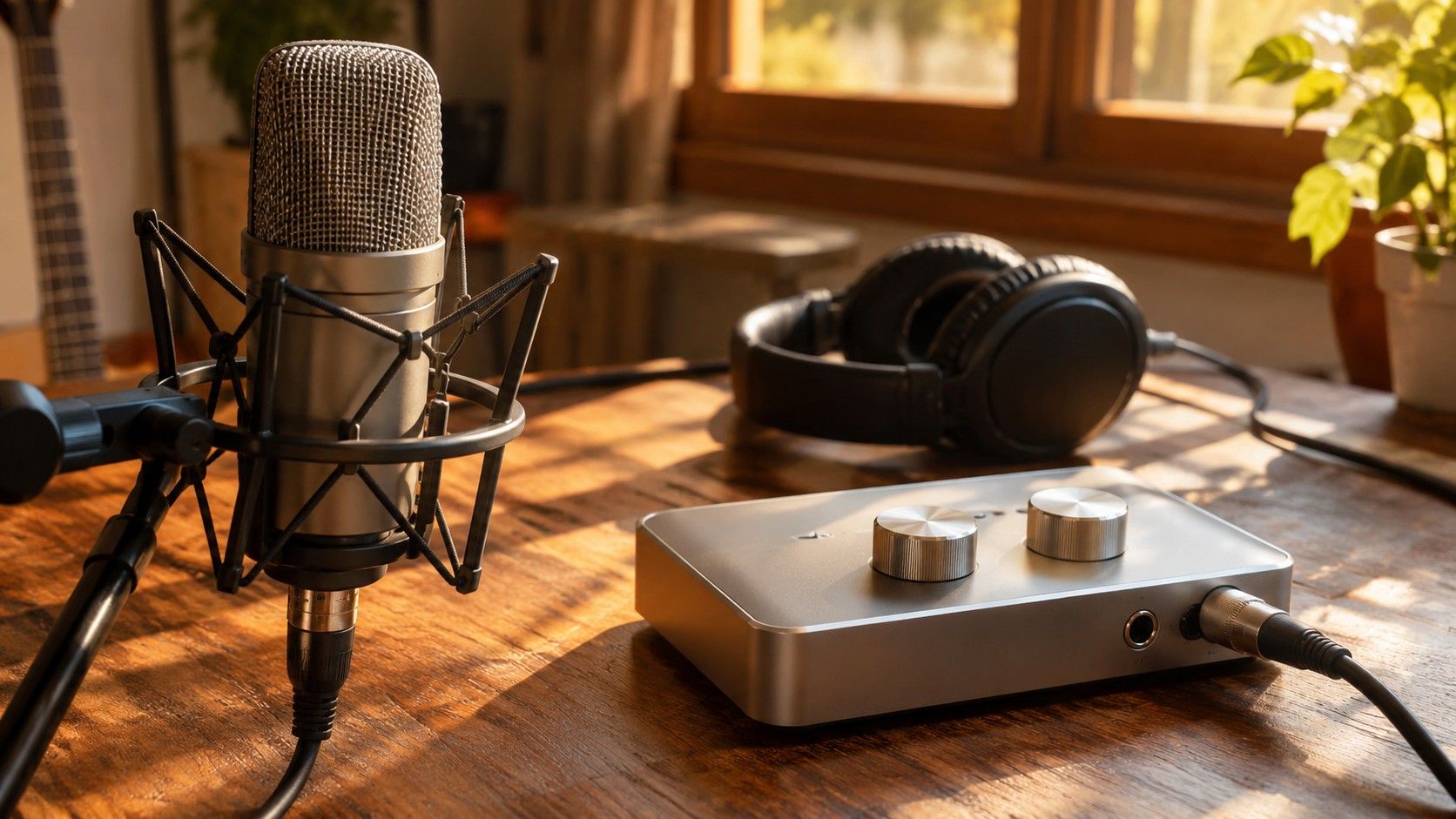
A tiny pulse behind a vocal can seem to be part of the singer's delivery until you recognize the count in the headphone cue. It can also be a word ending, a printed backing part or a playback route leaking into the monitor. Compare the pattern with the actual cue if it survives. Even confirmed bleed may be harmless once the song is playing.
Compare the suspected pattern with the backing cue
Find a place where the suspected pattern is clear and mark what you hear: a count, a familiar drum fill or a faint version of another lyric. If you have the cue from the same session, compare the whole sequence at matching landmarks. A single quiet tick on the beat is weak evidence because both singer and backing are following the song. A recognizable multi-hit fill or the same pickup pattern is better evidence. Listen for events that are present in the cue but absent from the final backing, such as an original count or a guide layer. Write down whether the pattern matches in order and relative timing, not just that the files both contain a beat.
Verify the source you are calling the cue. An alternate mix may use different edits or add tones that were never in the headphones. If the exact cue is unavailable, compare the closest verified reference and state that the identification is tentative. Keep the same moderate monitor level and the same section around the event. Don't turn up just a tiny break until you can hear any sound at all. The question is whether a recognizable external pattern exists in the vocal track and whether it matters for the intended use, not whether a waveform contains low-level activity.
Check the lead stem before the cue changes
Play the verified direct vocal from before a place where the cue changes or pauses, and follow the vocal through that boundary. A faint cue rhythm might start before the singer enters or continue through a pause. If it follows a change in the guide despite the voice remaining steady, that supports a cue-related source. Check the vocal file independently of the multitrack monitor if you can. A mix send left open during a solo can produce an apparent feed that was never recorded into the file. Compare local playback or a known direct print before undertaking any repair.
Listen for which version first contains the pattern. A vocal stem produced from a mixed track might retain some accompaniment because of its production path; that isn't the same evidence as playback leaking into a live recording. When planning how to clean up Suno stems, the fact that a faint drum figure occurs in the extracted vocal doesn't establish anything about headphones. The history of the file matters. Say “backing pattern present in vocal stem” if that is all you can verify. If a direct live take captures cue-like events, the match can be stronger, but still does not tell you how much signal came in through each physical route.
Watch for what follows the performance rather than the cue
Use comparisons where the singer and cue do different things. A dry throat noise, consonant or breath usually moves with a particular word or physical gesture; an accompaniment pattern can continue even while that phrase changes. Compare the suspected figure in a quiet pickup and a later line. If the leaked pattern follows the same arrangement event across takes while the singer changes timing, note that. If it moves with the syllable and is absent when that syllable isn't sung, examine the dry vocal gesture before treating the event as a cue. Performance and cue can overlap, so write down what was independently audible as well as where you couldn't separate them.
Compare another layer if it exists. A harmony guide may account for a quiet sung sound better than a doubled lead. If several routes feed the monitor together, temporarily listen to the direct stem in a known clean path and reopen the file without changing it. Be careful comparing levels: every object lifted in solo can look like an extra signal from another source. The next meaningful question is whether the exact pattern survives in the saved media, not whether a familiar track can be heard from the current speakers while you're editing.
Test a limited change without breaking the source
If the sound distracts in a real gap, make a limited copy and compare a shallow local decrease only there. Listen to the wanted preceding breath or note release and the next word. If the pattern overlaps the actual performance, lowering the whole region can cut part of the singer's phrasing with it. A small technical change is not a valid demonstration of isolation unless you can hear the wanted sound survive. If the same clip contains a recognizable unwanted edge with no useful voice over it, test a narrow comparison and keep the original at the same origin. You can undo it if the new edit draws more attention than the faint pattern did.
Keep any trial out of the source file. When there is separate control over a guide route that was only in monitoring, changing the recording is unnecessary. When you have evidence that the faint sound is printed but it is harmless in most places, don't treat the entire stem. Test just the passage that the listener hears. Compare the result through the existing vocal balance and effects. In some arrangements a lower cue edge may make a close breath more conspicuous; include that possibility in the decision rather than comparing only which version is quieter.
Leave the sound alone when it is not audible in the mix
Listen to the same section with the rest of the song and no special boost. If the cue is masked in the normal arrangement and the voice sits well, keep the source. Mark places where a future use, such as a solo vocal playback or sparse edit, might expose it again. That is more useful than processing a problem you can't hear in the current mix. If a familiar guide sound remains in a gap the audience can hear, judge a narrow trial by whether the gap and next word still feel natural after it. No one benefits from trading faint bleed for a broken entrance.
Save a note with the exact take, cue reference, matching landmarks and the balance under which it was audible. An example: “The faint count matches the earlier cue in the saved direct stem, but is not audible in the approved mix. No edit.” If you have only a stem and an uncertain match, state what follows the backing and what still might be vocal or routing. The decision should survive opening the files again without relying on someone remembering what the headphones sounded like.